

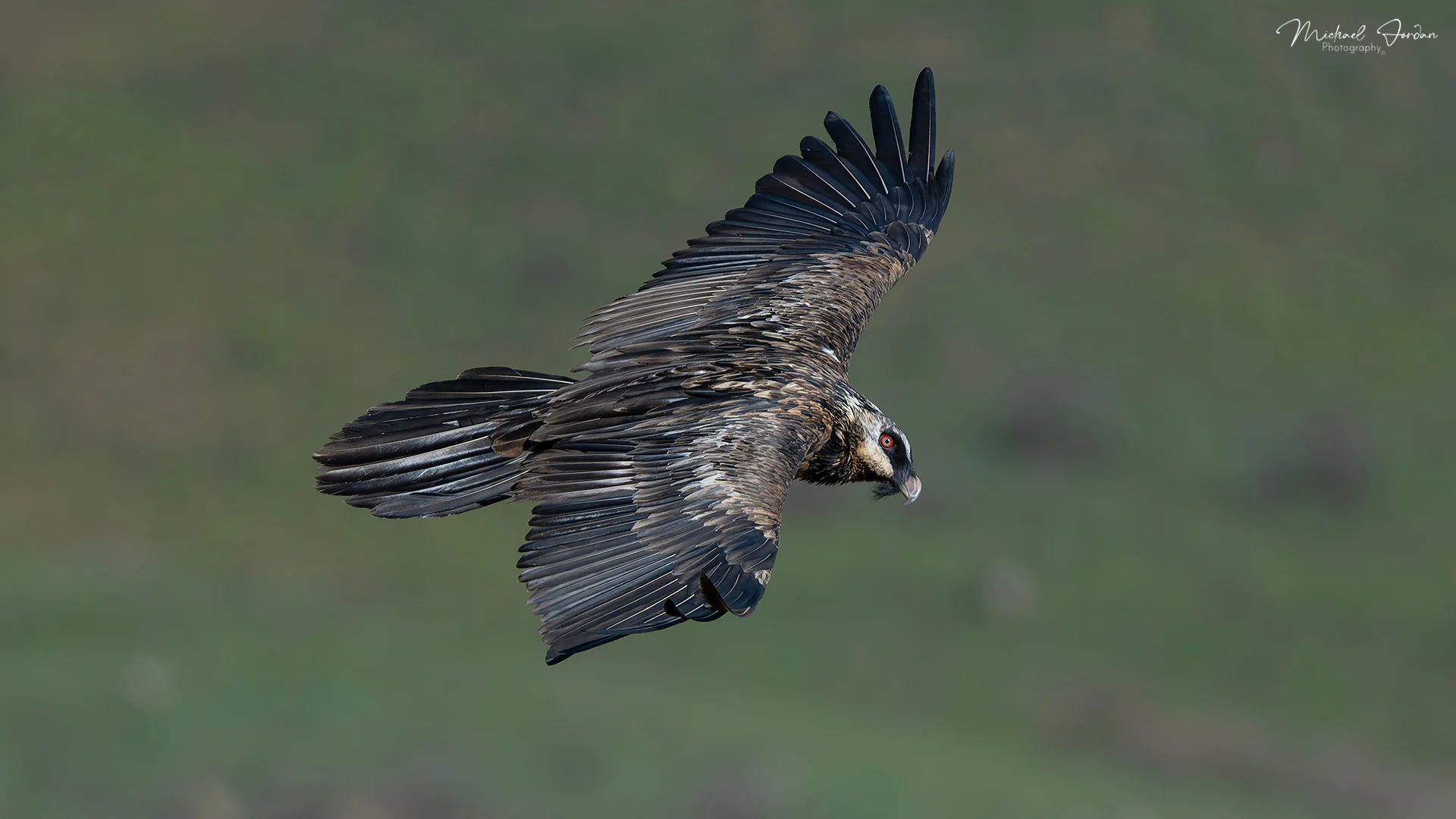
Bearded vultures at Giant's Castle
My first morning at the Giant's Castle vulture hide: thirty-plus Cape vultures, perfect flybys from bearded vultures, and a cool breeze that made it all happen.
Some places you hear about for years before you finally get there. The vulture hide at Giant’s Castle was one of those for me, and yesterday I finally ticked it off with my girlfriend, my dad and a good family friend. All four of us are into wildlife photography, so there was no shortage of excitement on the way up.
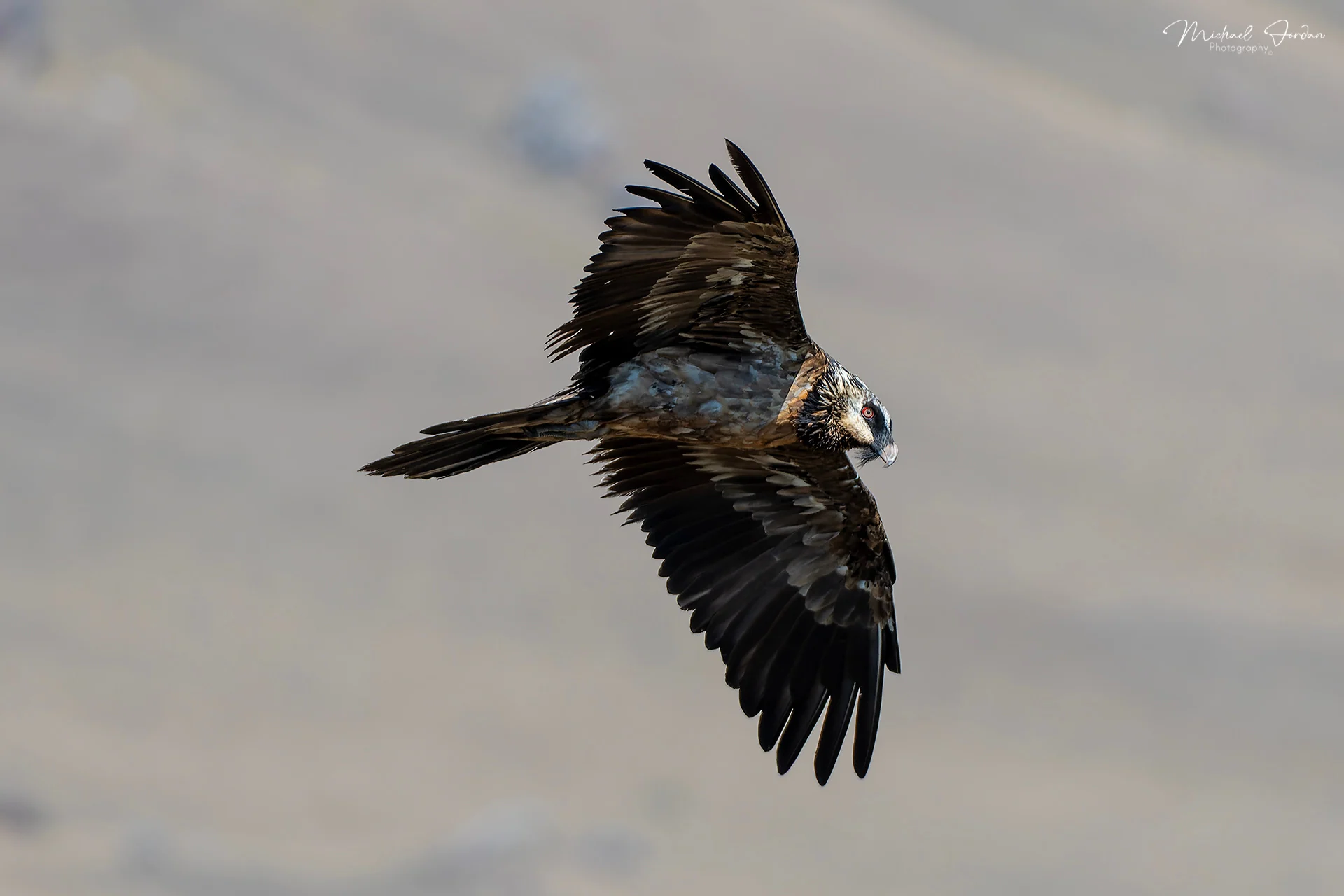
A perfect morning in the Berg
We were in the hide by about 8am. It was one of those beautiful Drakensberg days: clear blue sky, cool air and a gentle breeze coming over the cliffs. That breeze turned out to be the star of the day, because it let the birds of prey hang and float in front of the hide instead of rushing past.
It took about an hour for things to get going. Then the vultures started arriving, and once they came, they kept coming.
The main event
The bearded vulture is what everyone comes for, and for good reason. In southern Africa it’s critically endangered, with only around 100 breeding pairs left, all in the Maloti-Drakensberg mountains of South Africa and Lesotho. We were lucky enough to see a few sub-adults and two adults, and with the breeze holding them up, their flybys were just perfect.
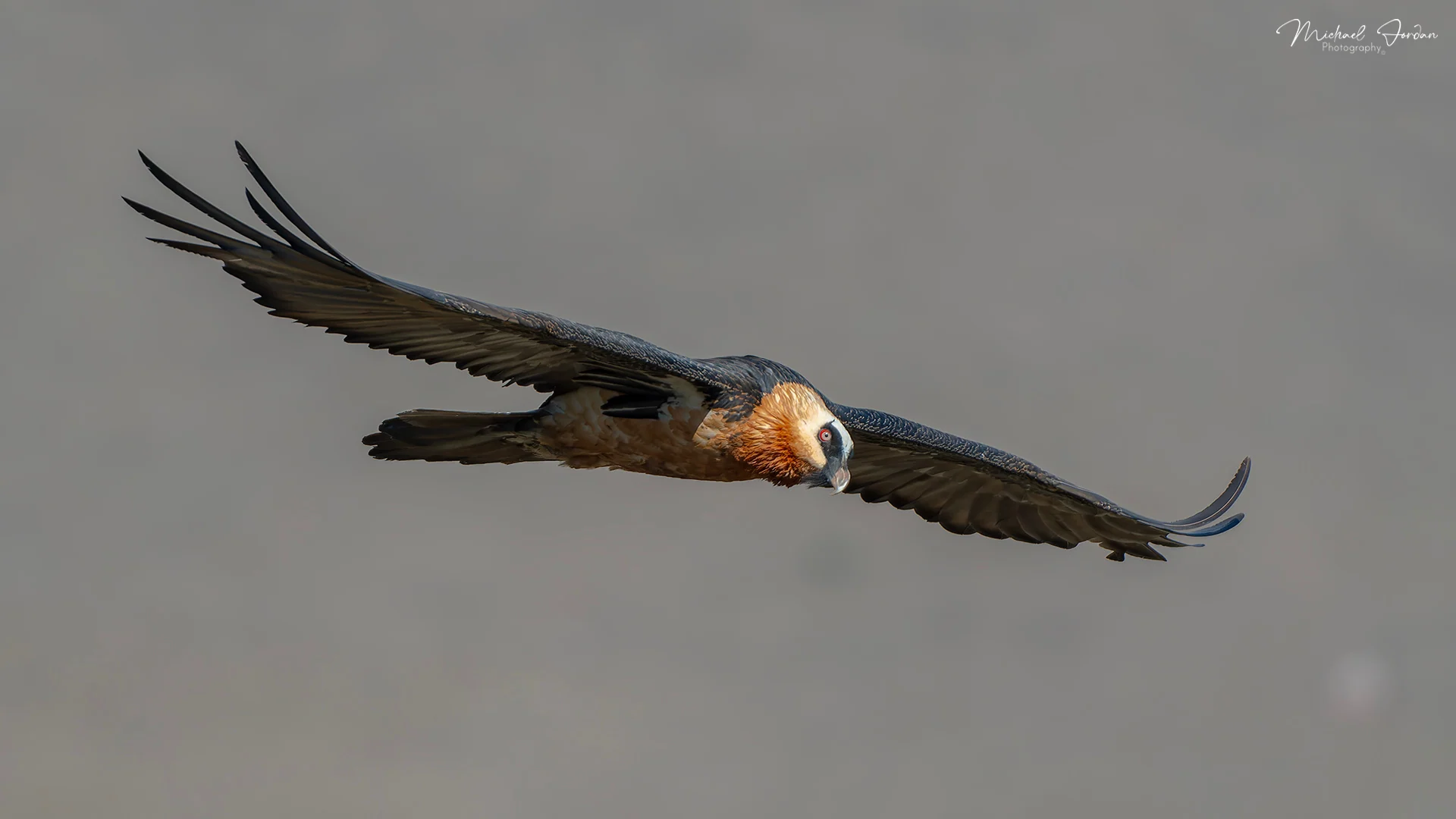
Seeing them this close was something else. Photos never quite show how big they are, and I was over the moon to finally see their true size up close. They also look nothing like the other vultures, with their rusty underparts, dark wings and that distinctive black “beard”. Bone and marrow make up most of their diet, and they’re famous for dropping large bones from a height to crack them open.
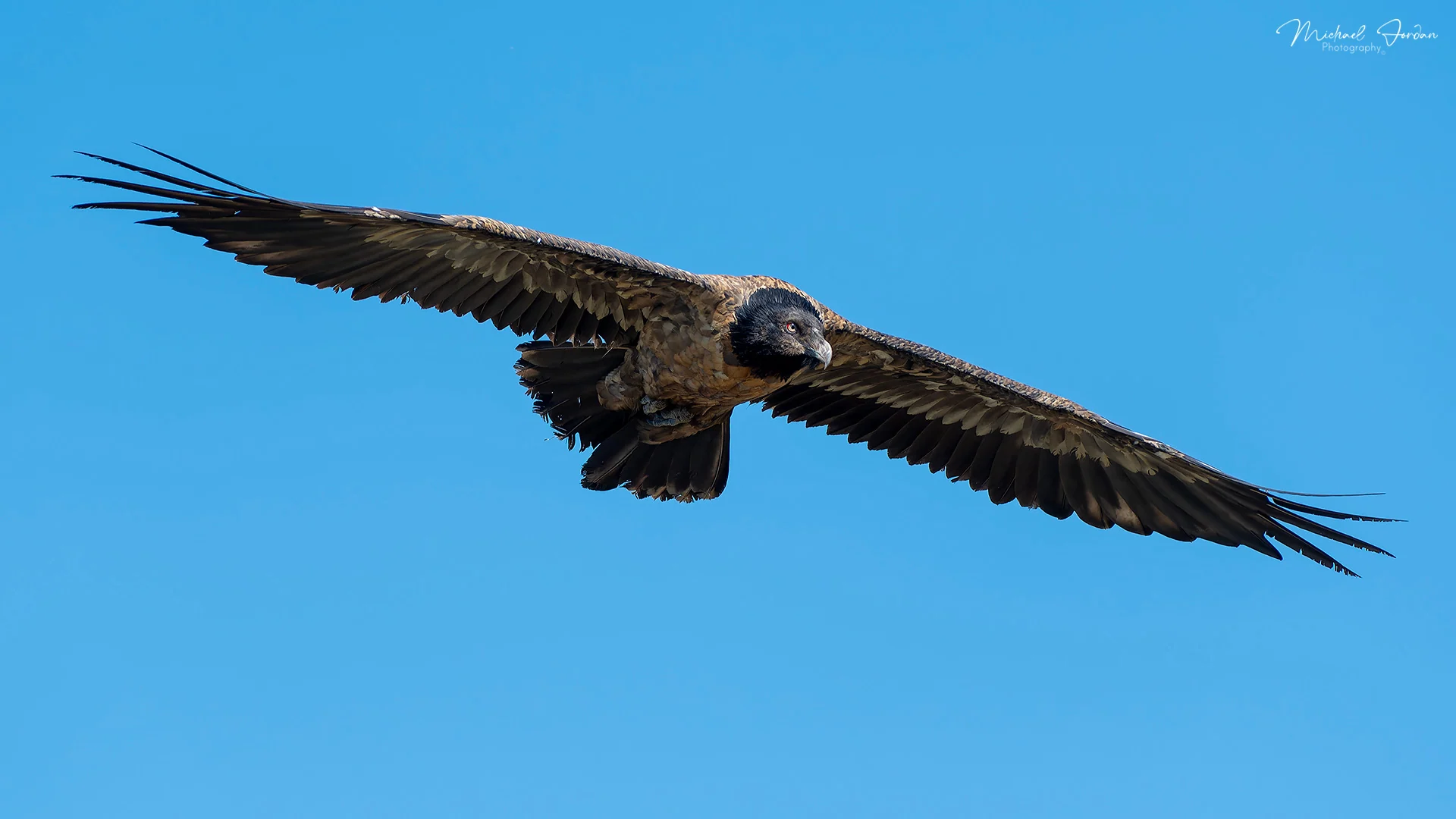
Thirty-plus Cape vultures
Then the Cape vultures arrived, probably more than thirty of them, landing and fighting over the bones. The sight of that many together was pure bliss, but it was the sound that stayed with me. The hissing and squabbling as they jostled for position is something you have to hear in person.
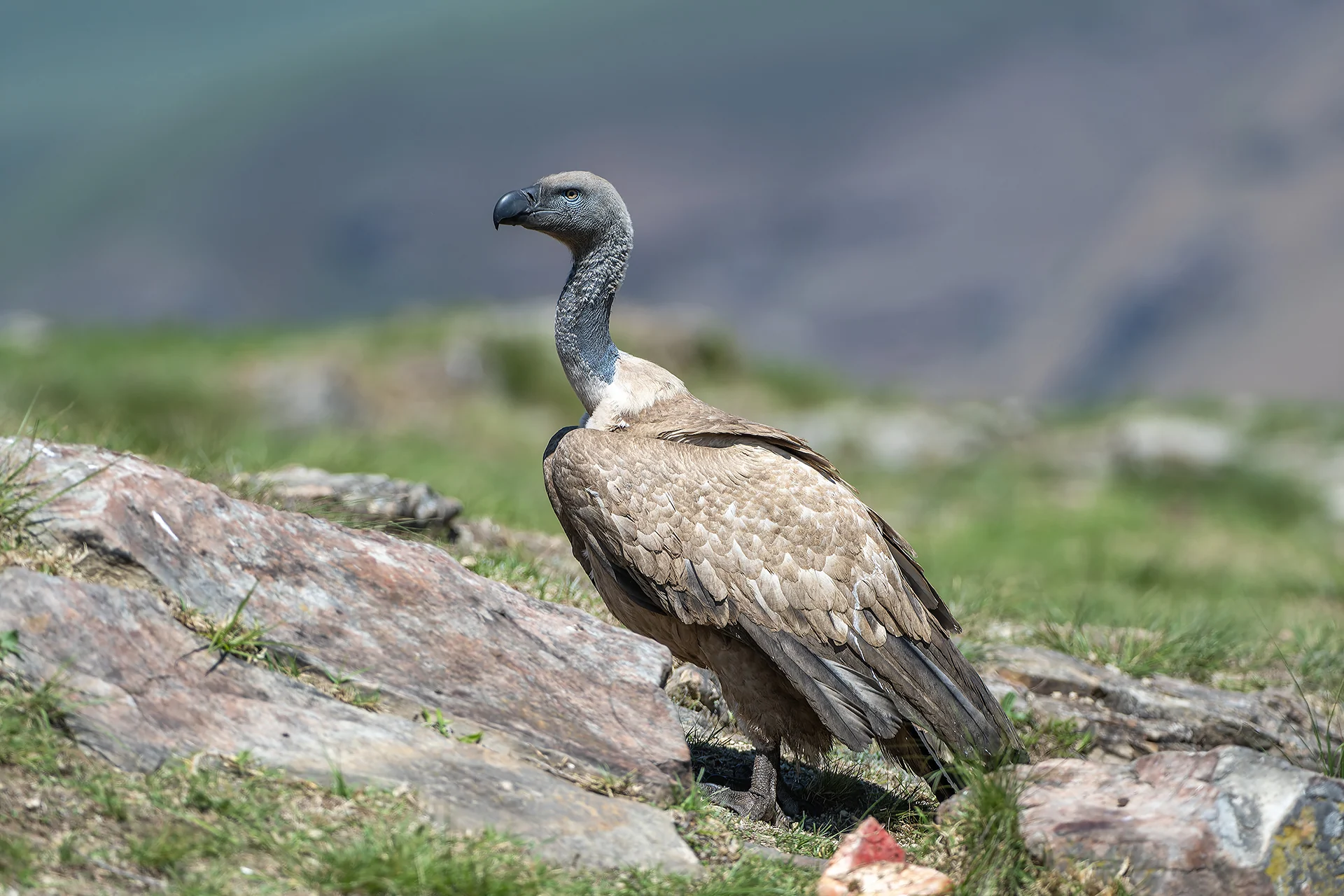
It wasn’t only vultures, either. A black-backed jackal came through, along with white-necked ravens, red-winged starlings, rock pigeons, a familiar chat and some yellow-billed kites keeping us company between the big moments.
The photography side
I shot the whole day on my only setup, a Nikon D500 with the Nikon 200-400mm f/4, mostly at f/4, 1/2000 to 1/3200s and ISO 200 to 400. The bright, clear light made fast shutter speeds easy.
The tricky part is that the hide limits how far you can angle up, so you can’t follow a bird high overhead. They also have a habit of appearing out of nowhere from behind the cliff face and drop-offs, so you need to stay alert. Look away for a moment and you’ll miss the shot.
Tips for your first visit
- Book well in advance. Booking was easy for us, but the hide is popular.
- Take all your food and drinks with you so you can stay in the hide the whole time.
- Bring everything you need in one go. Every trip back to the car means walking out and scaring the birds off.
- Bring gloves for handling the bones you put out.
Going with a family friend who’d been several times meant I knew roughly what to expect, but nothing really prepares you for that first bearded vulture gliding past at eye level.
I’ll definitely be back.